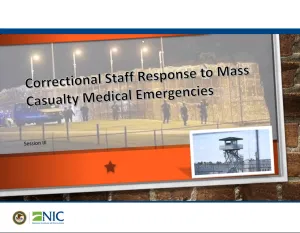
A detailed step-by-step description of the sequence of actions necessary for the achievement of a particular action in a prison.
Prison procedures refer to the structured, step-by-step processes that govern daily operations, security measures, and inmate management within a correctional facility. These procedures ensure the safety of staff, inmates, and visitors while maintaining order and compliance with institutional policies and legal standards.
Prison procedures cover a wide range of activities, including intake and classification, where new inmates are processed, searched, assigned custody levels, and given orientation about facility rules. Security procedures dictate cell searches, contraband control, inmate movement, and emergency response protocols, such as lockdowns and evacuations.
Daily routines, such as meal distribution, headcounts, recreation, and visitation, follow strict procedural guidelines to prevent disruptions and security breaches. Disciplinary procedures outline the steps for handling rule violations, including incident reporting, hearings, and sanctions. Similarly, medical procedures ensure proper healthcare access, including emergency response, mental health evaluations, and medication administration.
Staff training on prison procedures is essential for ensuring consistency, legal compliance, and efficiency in operations. These procedures are frequently updated based on policy changes, legal rulings, and emerging correctional best practices.
Well-defined prison procedures contribute to a secure and structured environment, reducing conflicts and enhancing rehabilitation efforts. While some argue that overly rigid procedures may contribute to institutional stress or hinder reform efforts, they remain a fundamental aspect of maintaining order within correctional facilities.